
The New Appetite: What Changing Dining Habits Mean for Foodservice
08 Oct 2026, Posted by in Blog

More protein. Bolder flavor. Smarter portions. A sweeter finish.
Somewhere along the way, a rumor got started that GLP-1 medications were going to empty out dining rooms. If you’ve been bracing for that, you can relax a little. People are still eating out, but what they want on the plate (and in the glass) is changing.
At Forbes, Hever & Wallace, Inc., we’ve spent 40 years watching diners change their minds and operators find smart ways to keep up. This latest shift is one of the more interesting ones we’ve seen. That’s why we’re building a featured experience around it at this year’s Commercial Kitchen Equipment & Supply Expo on Thursday, Dec. 3. We’re calling it The New Appetite.
Smaller Appetites, Same Love of Dining Out
According to a 2026 consumer survey from the National Restaurant Association, roughly 1 in 8 U.S. adults is currently taking some form of GLP-1 medication. Those consumers remain highly engaged with restaurants, even though many have changed how they order. Smaller portions top the list of adjustments, with high-protein items and vegetables getting more attention as well.
Circana’s research on restaurant behavior lines up with that. During a consumer’s first year on a GLP-1, restaurant visit frequency holds steady while the order itself evolves. The NRA did find that nearly half of users have cut back on how often they dine out, while 1 in 4 now visit more often, so the full picture is more nuanced than any headline suggests.
Here’s the part worth circling. More than 9 in 10 GLP-1 users told the NRA they would order menu items that fit their food and beverage preferences, and 76 percent said they would pay a premium for those options. Operators who give these guests something worth ordering have room to price it accordingly.
Why This Has Staying Power
It would be easy to file GLP-1s next to every other diet craze the industry has outlasted. The research suggests operators should think longer term.
The CDC describes obesity as a complex chronic disease shaped by many factors, including genetics, health conditions, stress, and a person’s environment. In an extension of the STEP 1 clinical trial, participants who stopped semaglutide (along with the trial’s lifestyle program) regained about two-thirds of their prior weight loss within a year, which points toward ongoing treatment for some patients.
The uses for these medications are growing, too. In March 2024, the FDA approved Wegovy to reduce the risk of cardiovascular death, heart attack, and stroke in certain adults with cardiovascular disease who also have obesity or are overweight. That December, it approved Zepbound to treat moderate to severe obstructive sleep apnea in adults with obesity. If these medications become a long-term part of managing chronic conditions for some consumers, the eating habits that come with them are likely to stick around on menus as well.
Everyone Wants More Protein (Yes, Everyone)
This shift reaches well beyond GLP-1 users. Circana’s 2026 Eating Patterns in America report found that 48 percent of U.S. adults want more protein in their diets, up seven points from the year before. Among GLP-1 users, that number climbs to 65 percent.
Foodservice is already responding. Circana reports that 12 percent of commercial foodservice meals are now described as high protein, and those occasions grew 11 percent year over year.
Nobody is asking operators to print a separate GLP-1 menu (please don’t). A growing share of all diners want quality protein and bold flavor in portions that satisfy without requiring a to-go box the size of a carry-on. Menus that deliver on that will reach far more guests than any one niche.
Don’t Forget What’s in the Glass
Circana’s GLP-1 research also flags nutrient-dense items like smoothies as a top-growing category. It notes a decline in alcohol consumption among users, which gives full-service restaurants an opening to promote mocktails and functional beverages.
That makes this a good moment to take a hard look at the beverage program, whether that means protein-packed smoothies or zero-proof cocktails that earn their spot on the menu. After all, a smaller entrée leaves plenty of room for a great drink.
Dessert Is Still Invited
Good news for anyone with a sweet tooth: smarter portions don’t have to cancel dessert. Operators can rethink indulgence rather than choosing between the giant slice of cake and nothing at all. A two-bite finish made with premium ingredients can still feel like a treat while fitting the way guests want to eat now.
Taste The New Appetite at Expo 2026
On Thursday, Dec. 3, we’re taking these trends out of the research reports and into the kitchen at our Coppell office. The New Appetite is one of the featured experiences at this year’s Expo, where our manufacturer partners will serve up food and beverages built around changing appetites.
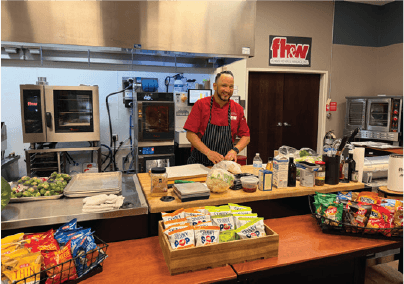
We want the conversation to go further than “What does this piece of equipment do?” The better question is what new menu opportunities it can help you create, and the best way to answer that is to taste the results and talk through how the recipe could work in your operation. You’ll also find equipment, supplies, tabletop, and catering solutions throughout the day, along with the factory experts behind them.

Stick around for The 4 O’Clock Pour, where we’ll raise a glass to four decades of relationships and the future ahead. Admission is complimentary, and we’ll have door prizes and valet parking waiting for you.

Come hungry. Come curious.
Sources
- National Restaurant Association, “GLP-1 and Restaurants: Shifting Habits, Not Shrinking Demand,” May 20, 2026. Read source.
- Circana, “GLP-1 Users Aren’t Ditching Restaurants, But Their Ordering Habits Are Changing, New Circana Research Finds,” Jan. 14, 2026. Read source.
- Centers for Disease Control and Prevention, “Risk Factors for Obesity,” updated Nov. 14, 2025. Read source.
- Wilding, J.P.H., et al., “Weight Regain and Cardiometabolic Effects After Withdrawal of Semaglutide: The STEP 1 Trial Extension,” Diabetes, Obesity and Metabolism, 2022. Read source.
- U.S. Food and Drug Administration, “FDA Approves First Treatment to Reduce Risk of Serious Heart Problems Specifically in Adults with Obesity or Overweight,” March 8, 2024. Read source.
- U.S. Food and Drug Administration, “FDA Approves First Medication for Obstructive Sleep Apnea,” Dec. 20, 2024. Read source.
- Circana, “Circana Report Highlights Protein and Convenience as Two Forces Influencing America’s Evolving Eating Patterns,” Aug. 19, 2026. Read source.